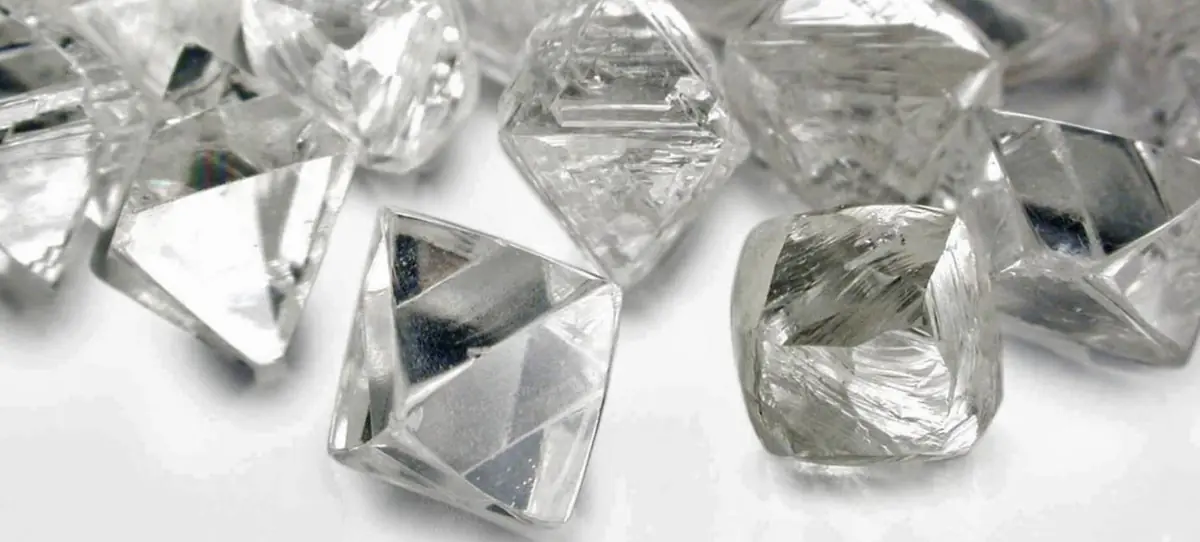
Where do natural (Earth-grown) diamonds come from and how are they formed?
Natural diamonds are magical. They are made from heat and pressure deep within the earth and take millions of years to form. Carbon atoms are compressed far beneath the surface until they crystallize, and are eventually carried upward through volcanic activity to where they can finally be discovered, cut, and cherished.
Where do laboratory grown diamonds come from and how are they formed?
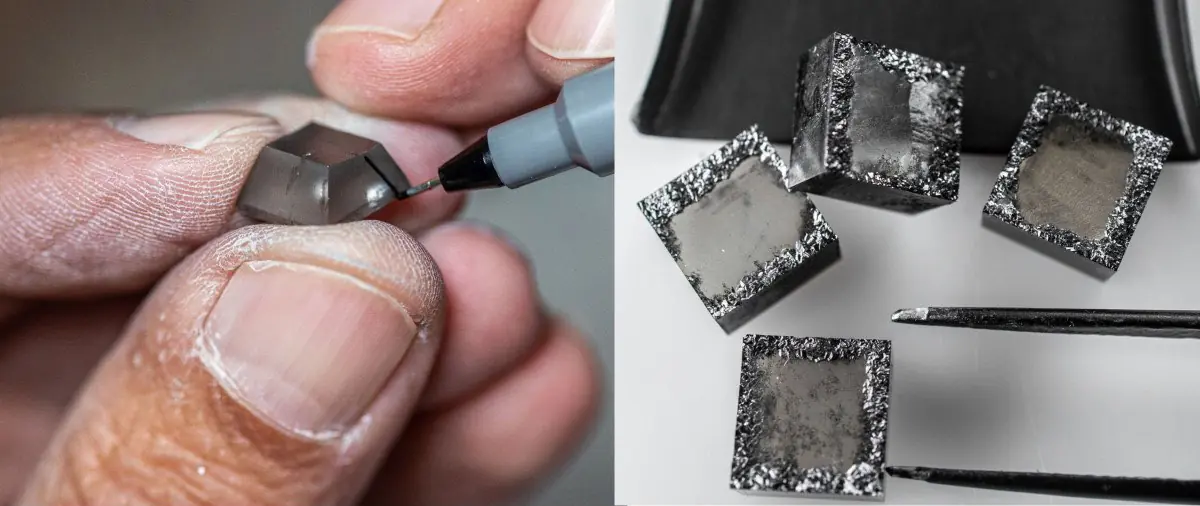
Laboratory grown diamonds are created by recreating the conditions that form natural diamonds. There are two main methods:
1) Chemical Vapor Deposition (CVD) - a small diamond seed is placed in a sealed chamber filled with carbon-rich gases. As the gases are heated, carbon layers build up on the seed, growing a diamond crystal.
2) High-Pressure High Temperature (HPHT) - a diamond seed is exposed to extreme heat and pressure that mimics the natural earth environment, causing carbon to crystallize around the seed.
What makes a diamond special?
With a diamond, the light goes in the top of the stone, bounces around the faceting, and comes back out the top of the stone. That interaction is what creates the fire, brilliance, and sparkle a diamond is famous for. A well cut diamond returns the maximum amount of light to the eye, and that is what gives it its unmistakable life.
What is the price difference between laboratory-grown diamonds and natural diamonds?
The price difference comes down to rarity and abundance. Natural diamonds are finite, formed over millions of years and increasingly difficult to source, which supports their value over time. Laboratory grown diamonds can be produced more readily, making them more abundant and generally more affordable at the same size and quality, so your budget can stretch to a larger or higher grade stone.
Why would you buy a Natural (earth-grown diamond)?
A natural diamond carries a story that is millions of years in the making. Its rarity, lasting value, and the romance of a stone formed deep within the earth make it a meaningful heirloom to pass down through generations.
Why would you buy a Laboratory grown diamond?
A laboratory grown diamond offers the same beauty, brilliance, and durability as a natural diamond, often at a more accessible price. It is an excellent choice if you want a larger or higher quality stone for your budget with a modern, sustainable origin.
Whatever your choice is, we are here to help you make the perfect one.